Text Messages and the
Art of Being Understood
 Image Source: @antonioguillem via 123RF
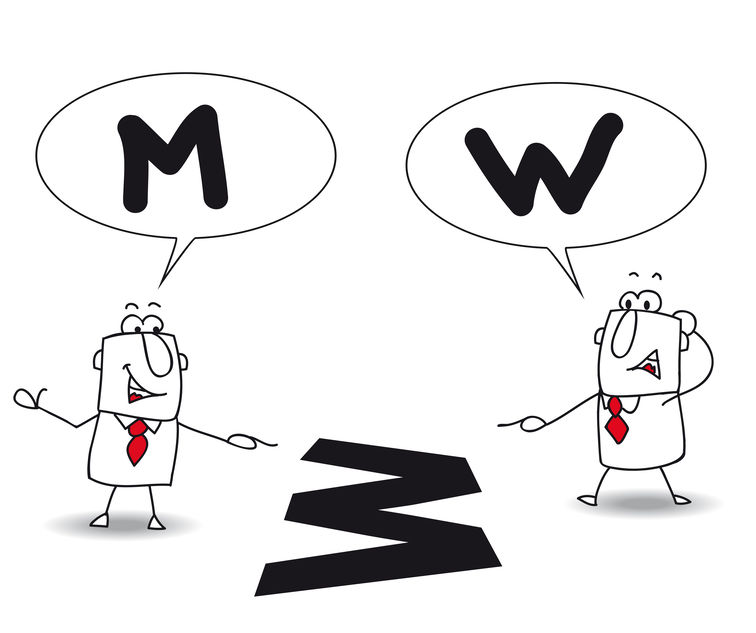
Misunderstandings usually come down to perception. Our assumptions, preconceptions, and mood all shape how we read someone’s words. Because perceptions are as individual as people, it’s no surprise that miscommunication happens often.
Text messages are especially easy to misread. They feel immediate and personal because they show up right on your phone or watch. In the moment, a text can carry more weight than a recent face-to-face conversation.
Why Text Messages Are So Easy to Misread
Sometimes I think text messages should come with a warning label:
Attention: The message you are about to read may have been written in a hurry, changed by autocorrect, or sent before it was finished. Please confirm its meaning with the sender before taking it to heart.
How we understand what we read depends on our mindset, our mood, and how quickly we’re reading. Texting is often hurried on both ends, which leaves plenty of room for confusion. Many texts skip punctuation entirely, turning a simple thought into a puzzle. All caps can read as shouting. All lowercase can come across as careless, even when the sender doesn’t mean it that way.
And then there’s autocorrect. Many of us have learned, sometimes painfully, that a quick message can turn into something we never meant to type.
Once a text is sent, it’s hard to take back. The words are out there, an impression has formed, and a simple “Let’s talk later” may not undo an awkward moment.
Handle with Care
Thoughtful communication is at the heart of etiquette, and texting is no exception. With each message, we have a few choices. We can send it as it is and hope it’s understood. We can slow down to punctuate and proofread. Or we can skip the text and use our voice instead.
The right choice depends on the situation. We love text messages because they’re quick and convenient, and they tend to work best when:
- The message is brief.
“Good morning! How are you?”
“Could you pick up a gallon of milk on your way home?”
“Meet me at Barney’s Pub after work?”
“Thanks for a terrific evening!”
- The topic is light. Serious news, good or bad, is often better shared by phone or in person. It’s also wise to leave gossip and confidential information out of texts, since any message can be forwarded in an instant.
- Your words carry little emotion. Deep feelings usually deserve a more personal setting. The one exception is “I love you.” Say those words any way you can, as often as you can. It’s a message we all need to hear.
- You’ve read it over. Before you hit send, imagine how the recipient will read your words. Is your message as clear as you mean it to be? Sometimes the kindest choice is to set aside personal style and simply aim for clarity.
When to Pause Before Sending Text Messages
What we write is shaped by where we are, both physically and emotionally, as much as by how fast we’re typing. It may be best to hold off on sending text messages when you:
- Are feeling angry or stressed
- Are driving, crossing a busy street, walking the dog, or caring for a child
- Aren’t completely sure who the recipient is
- Need to talk about your relationship with the recipient
- Have something to share that will take a lot of time or typing
- Are unsure how your message will be received
Keeping Communication Clear and Kind
Text messages are a wonderful tool. They’re perfect for answering a quick question, checking in, or sharing a bit of good cheer. Sent at the wrong moment, though, they can lead to misunderstandings and even strain a relationship.
The old saying “everything in moderation” applies to texting as much as anything else. Communication matters deeply to all of us. A little extra care helps keep our connections strong, whether that means taking a moment to proofread or choosing to pick up the phone.
You may also enjoy reading . . .



Recent Articles


-
Text Messages and the Art of Being Understood
Oct 11, 26 09:54 AM
 Text messages are quick and convenient, but easy to misread. Learn when texting works best, when to pick up the phone, and how to keep your messages clear.
 -
How a Meeting Agenda Shows Respect for Everyone's Time
Oct 04, 26 09:10 AM
 A thoughtful meeting agenda sets the tone for a productive, respectful meeting. Here's how to plan one, share it, and follow up with grace.
 -
How to Handle Late Guests with Grace
Sep 26, 26 04:15 PM
 Learn how to handle late guests gracefully at home or at a restaurant, with friendly tips for keeping your dinner party on schedule.
Candace Smith Etiquette appears in:








Connect with me on:




Teaching Etiquette for the Business of Life
Colorado Springs, CO
©2025 Candace Smith Etiquette All rights reserved. Review our Privacy Policy here.