Passing Items at the Table
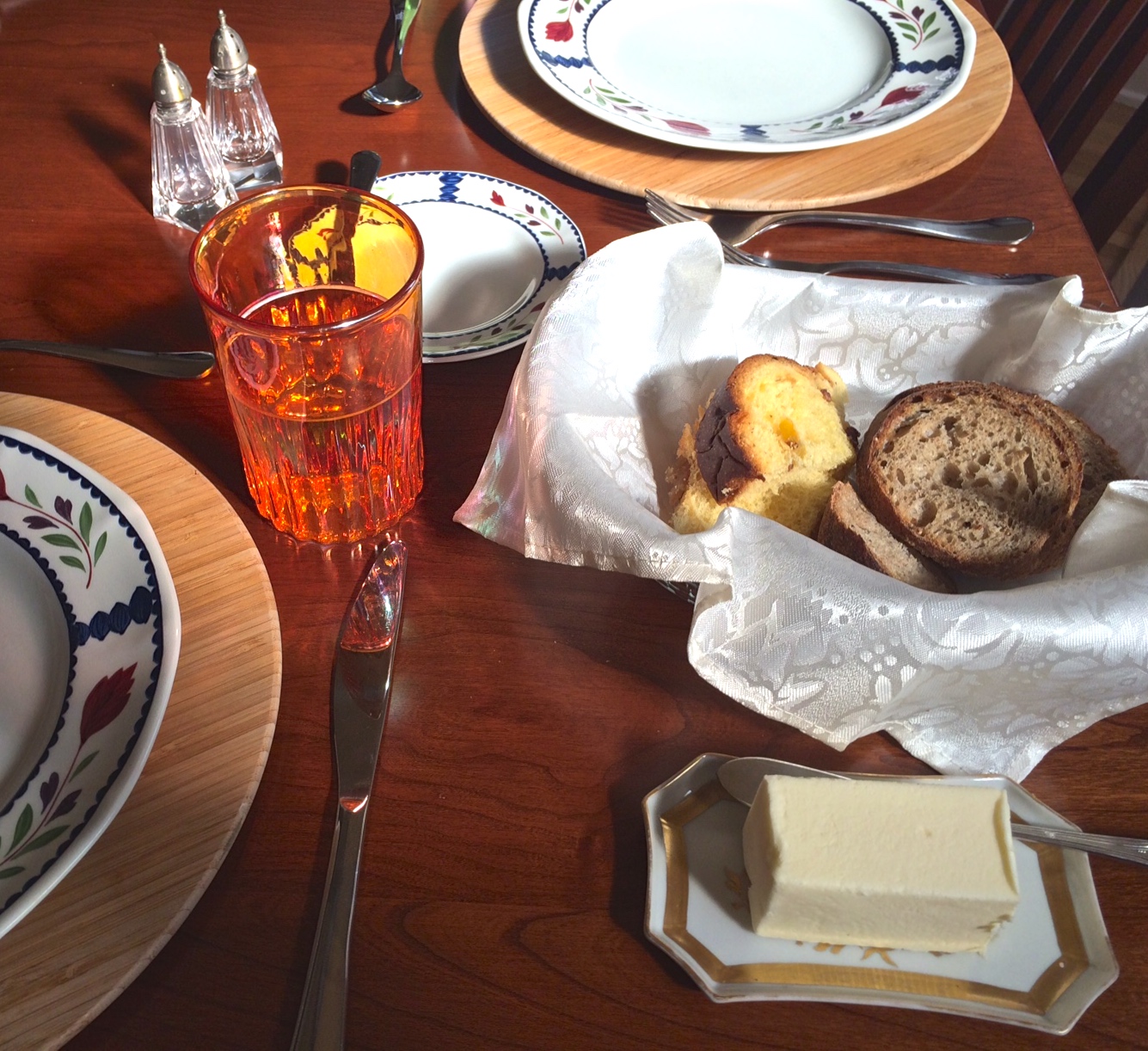 Image Source: Candace Smith Etiquette
Good table manners create a pleasant dining experience for everyone at the table. Understanding the art of passing items at the table ensures meals flow smoothly, prevents accidents, and demonstrates respect for fellow diners. Whether you're attending a formal dinner party or enjoying a casual family meal, mastering these etiquette fundamentals will help you navigate any dining situation with confidence and grace.
The Foundation of Table Etiquette
Proper table etiquette puts you in control of your dining experience. When people eat together, each person is responsible for their own manners and knows how to handle their table tools appropriately. Think of it like driving on a highway — there are rules and guidelines that keep everything orderly, preventing accidents and confusion. Similarly, passing items at the table follows a sense of orderliness that helps food and condiments move efficiently from one place to another.
Which Direction Should Items Be Passed?
When serving a family-style meal, food should be passed to the right on the first round. Once everyone is seated and the host signals the start of the meal by placing their napkin in their lap, the passing begins. Consistency is key here. If items travel in every direction, someone will inevitably miss out on those delicious mashed potatoes or that perfectly roasted chicken. Keep it simple and orderly by sending everything around to the right, then replacing each item on the table as it was before.
Understanding the Exceptions
While the "pass to the right" rule applies to the initial serving, passing items at the table becomes more flexible once food has made its first complete round. After that, or when items are specifically requested, they may be sent in either direction down the table. The most expedient direction is always best, ensuring efficiency without sacrificing proper etiquette.
The Bread Basket Protocol
Passing bread requires a specific technique. First, serve yourself from the bread basket in front of you. Next, offer the basket to the person on your right, placing it on the table between you both rather than handing it directly to them. This process continues around the table until everyone has been served.
A thoughtful touch: before passing the basket to your right, you might offer a roll to the person on your left, saying, "Please take a roll, and then I'll pass the basket along as it should go." This kind gesture ensures no one is overlooked while maintaining proper etiquette.
Butter and Spreads Etiquette
When passing items like butter, use the provided serving knife to transfer a pat of butter onto your bread plate. Never use your personal butter knife for the communal dish. Place the butter dish on the table next to the diner on your right, ensuring the serving tool is positioned for easy access by the next person. Only then should you use your individual butter knife to spread butter on bite-sized pieces of bread.
Salt and Pepper: The Inseparable Duo
Here's an essential rule for passing items at the table: salt and pepper always travel together. These seasoning companions should never be separated, even if someone only requests one. When asked for the salt, proper table etiquette dictates that you pass both the salt and pepper shakers together. This keeps the table organized and prevents these small items from becoming scattered across the dining surface.
Essential Guidelines for Passing Items at the Table
Several key principles ensure the smooth passing of table items:
- Always place items on the table rather than handing them directly to the person next to you whenever possible. This simple practice prevents spills and other potential accidents. Stay relaxed and remain seated when passing — there's no need to stand or stretch awkwardly.
- Pass items from person to person rather than reaching across someone's dining space. Reaching across another diner is not only rude but could also result in an accident. If you need something, simply ask politely for it to be passed to you.
- Remember that not everyone knows the guidelines for table etiquette, so lead by example with patience and grace. Your demonstration of proper passing of food and other items can help others learn without feeling embarrassed.
Mastering the art of passing items at the table transforms ordinary meals into refined dining experiences. These guidelines create order, prevent mishaps, and show consideration for fellow diners. Most importantly, don't let etiquette overshadow the true purpose of sharing a meal — enjoying good food and great company together.
You may also enjoy reading . . .



Recent Articles


-
Deal with Office Gossips and Help Tame the Rumor Mill
Sep 06, 26 10:20 AM
 Unfortunately, we all must deal with office gossips at some point – or several times – during our careers but there are methods to make this a fairly easy task.
 -
Fun Facts About the American Dining Style
Aug 30, 26 09:43 AM
 The American dining style is a four-step method of eating that has stayed with us for over two centuries. But are we moving toward a one-handed eating style?
 -
Everyday Etiquette in Daily Life: Small Kindnesses That Go a Long Way
Aug 16, 26 08:05 AM
 Practicing everyday etiquette in daily life doesn't require perfection. It's really just about staying a little more tuned in to the people around us.
Candace Smith Etiquette appears in:








Connect with me on:




Teaching Etiquette for the Business of Life
Colorado Springs, CO
©2025 Candace Smith Etiquette All rights reserved. Review our Privacy Policy here.