A Guide to Navigating Special Diets
for Hosts and Guests
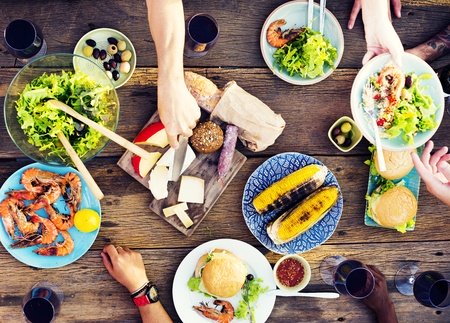 Image Source: @rawpixel via 123RF
Your dinner party has a beautifully set table, warm conversation, and then an awkward moment when a guest realizes the menu doesn’t quite work for them, and a flurry of quiet negotiations with the server follows. It’s a scenario most of us have witnessed, and honestly, it’s one that’s almost always avoidable. Navigating special diets at social gatherings doesn’t have to be stressful — for anyone. With a little planning and open communication, both hosts and guests can ensure that the table is a place of comfort, connection, and great food for everyone.
Understanding Why Special Diets Exist
People follow special diets for all kinds of reasons, and it’s worth remembering that most of them are deeply personal. Broadly speaking, dietary restrictions fall into two main categories:
- Health-related needs — including food allergies, intolerances, and doctor-prescribed dietary guidelines
- Personal choices such as lifestyle preferences, religious observances, or cultural traditions
Whether a guest avoids gluten for medical reasons or chooses a plant-based diet by conviction, the underlying goal is the same: they want to enjoy the occasion without worry. And that’s something every good host can help make happen.
Tips for Hosts: A Little Information Goes a Long Way
Here’s the good news: as a host, you have more power than you might think to set everyone up for a wonderful experience. The key is simply gathering the right information early enough to act on it.
When you send invitations, consider giving guests a gentle preview of the menu.
- “Join us for a birthday barbecue”
- “We’ll be warming up with a big bowl of chili”
- “Come celebrate with a seafood feast”
A simple note like one of the above does something wonderful — it naturally prompts guests with special diets to reach out in advance. That one small detail in your invitation can save everyone from an uncomfortable moment at the table.
For smaller, more casual get-togethers where formal invitations aren’t the norm, a friendly question works beautifully: “Do you have any dietary restrictions I should know about?” or simply, “Is there anything you don’t eat?” People genuinely appreciate being asked — it signals that you care about their comfort.
Often, accommodating a special diet is easier than you’d expect. Sometimes it’s just a matter of keeping a sauce on the side, offering a separate dish, or adjusting one ingredient. The more lead time you have, the more relaxed and creative you can be with your menu. Nobody enjoys last-minute scrambling in the kitchen — and with a bit of advance planning, you won’t have to.
Tips for Guests with Special Diets: Communication Is a Gift to Your Host
If you follow a special diet, you already know the occasional challenge of navigating social meals. The most thoughtful thing you can do — for yourself and for your host — is to communicate early and graciously.
Once you’ve been invited, don’t wait until the day of the event to mention your needs. A quick phone call or note well in advance gives your host time to plan. Be warm and appreciative when you reach out: “I’m so excited to come! I just wanted to let you know I’m gluten-free — please don’t go to any extra trouble, but I wanted you to have that information.” That kind of tone makes it easy for your host to receive the information without feeling put upon.
It’s also worth thinking about the difference between a dietary need and a personal preference. Health-related restrictions and those tied to religious or cultural practice are the most important to communicate. Preferences — foods you simply don’t love — are generally best kept to yourself unless you’re specifically asked. Your host has worked hard to prepare a meal; the goal is to celebrate together, not to create a custom menu for every guest.
And if accommodating your special diet turns out to be truly difficult given the menu or event format, consider some gracious alternatives: you might eat a little before you arrive, bring a dish to share that works for you, or simply focus on the parts of the meal you can enjoy and let the rest go. The meal matters, but the company matters more.
The Heart of It: Kindness on Both Sides of the Table
Ultimately, managing special diets at social gatherings comes down to the same thing that makes any gathering wonderful: genuine consideration for the people around you. When hosts ask thoughtful questions and guests communicate openly and appreciatively, the potential for awkwardness melts away.
Dining together is one of the oldest and most meaningful social rituals we have. Whether you’re hosting an elegant dinner party or a casual backyard cookout, the goal is the same — to create a warm, welcoming experience where everyone feels seen and cared for. Special diets are simply part of the diversity of the people we love to gather with. With a little advance conversation, they need never be a source of stress for anyone.
So the next time you’re planning a dinner or RSVP’ing to one, remember: a short, kind conversation in advance is the best ingredient of all.
You may also enjoy reading . . .





Recent Articles


-
How to Be a Good Guest
Sep 19, 26 05:26 PM
 Want to be a good guest? Here are eight easy, friendly etiquette habits, from RSVPs to thank-you notes, that make hosts love having you around.
 -
Deal with Office Gossips and Help Tame the Rumor Mill
Sep 06, 26 10:20 AM
 Unfortunately, we all must deal with office gossips at some point – or several times – during our careers but there are methods to make this a fairly easy task.
 -
Fun Facts About the American Dining Style
Aug 30, 26 09:43 AM
 The American dining style is a four-step method of eating that has stayed with us for over two centuries. But are we moving toward a one-handed eating style?
Candace Smith Etiquette appears in:








Connect with me on:




Teaching Etiquette for the Business of Life
Colorado Springs, CO
©2025 Candace Smith Etiquette All rights reserved. Review our Privacy Policy here.