Passing Items at the Table
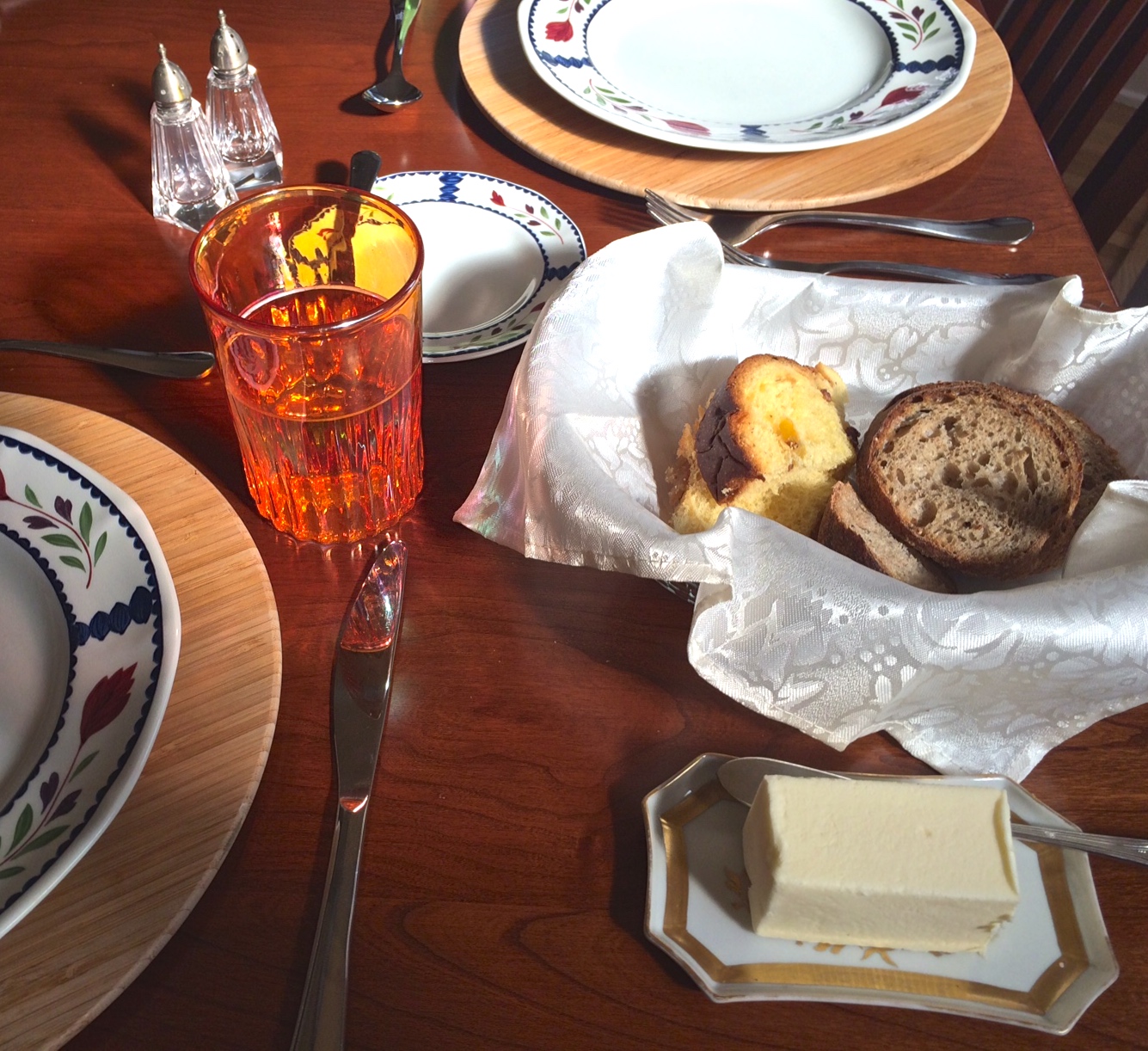 Image Source: Candace Smith Etiquette
Good table manners help make a meal pleasant for everyone. Knowing the art of passing items at the table keeps a meal flowing smoothly, prevents little accidents and shows care for the people you're dining with. Whether you're at a formal dinner party or a casual family supper, a few simple guidelines will help you feel confident and gracious. That's especially true during the holidays, when the table is full and the dishes keep coming.
The Foundation of Table Etiquette
Good table etiquette puts you at ease, and when everyone knows the basics, the meal simply runs better. Think of it like driving on a highway: shared rules keep traffic moving and help everyone avoid collisions. Passing items at the table works the same way, with a gentle sense of order that helps food and condiments travel easily from one place to another.
Which Direction Should Items Be Passed?
At a family-style meal, dishes are traditionally passed to the right on the first round. Passing usually begins once everyone is seated and the host signals the start of the meal by placing their napkin in their lap. Consistency is what makes it work. If dishes travel in every direction, someone is sure to miss out on the mashed potatoes or that perfectly roasted turkey. Sending everything to the right, then returning each dish to its place on the table, keeps things simple.
Understanding the Exceptions
The "pass to the right" guideline is for the first serving. Once food has made a complete round, or when someone asks for a particular dish, passing food at the table becomes more flexible. Items can then travel in whichever direction reaches the person most easily.
The Bread Basket
If the bread basket is in front of you, a gracious approach is to offer it first to the person on your left, then help yourself, then pass it to the right. A simple "Would you like a roll before I send these around?" makes sure no one is overlooked. From there, the basket continues around the table until everyone has been served.
Butter and Spreads
Use the serving knife that comes with the butter dish, not your personal butter knife, to place a pat of butter on your bread plate. Then pass the dish to your right, with the serving knife positioned so the next person can reach it easily. Use your own butter knife to butter one bite-sized piece of bread at a time. The same approach works nicely for jams, cranberry sauce and other shared spreads.
Salt and Pepper: The Inseparable Duo
Salt and pepper travel together. Even if someone asks only for the salt, pass both shakers as a pair. They stay together on the table, and the next person looking for pepper won't have to hunt for it. As a courtesy to the cook, it's also nice to taste your food before seasoning it.
Holiday Table Tips
Holiday tables come with their own small challenges: heavy platters, hot dishes and more guests than usual. A few thoughts that can help:
- Turn handles toward the person receiving the dish, and offer to hold a heavy platter while your neighbor serves themselves.
- Pass the gravy boat on its saucer, with the ladle resting inside, to catch drips.
- Keep serving utensils with their dishes, and use them rather than your own fork or spoon.
- Take a modest first helping so there's enough to go around. Seconds are usually welcome once everyone has been served.
- If a dish comes your way that you'd rather skip, simply pass it along. No explanation needed.
Essential Guidelines for Passing Items at the Table
These key principles keep passing items at the table smooth and relaxed:
- When you can, set items down on the table rather than handing them directly to the next person. It helps prevent spills.
- Stay seated and relaxed while passing. There's no need to stand or stretch.
- Ask for items to be passed rather than reaching across someone's place setting. A polite "Would you please pass the stuffing?" beats a long reach and helps avoid accidents.
- Remember that not everyone has learned these guidelines. Leading by example, with patience and grace, lets others learn without feeling embarrassed.
Mastering the art of passing items at the table turns an ordinary meal into a gracious one. These simple guidelines keep things orderly, prevent mishaps and show consideration for your fellow diners. Most of all, don't let etiquette overshadow the real purpose of sharing a meal: enjoying good food and great company together.
You may also enjoy reading . . .



Recent Articles


-
Counting Blessings on Thanksgiving
Nov 22, 26 09:34 AM
 Counting blessings brings meaning to Thanksgiving. Explore the holiday's history, the power of gratitude, and gracious ways to share thanks at your table.
-
A Table Manners Review
Nov 15, 26 10:05 AM
 Brush up before the holidays with this friendly table manners review, including a 10-item checklist for guests, hosts, and anyone gathering around the table.
-
Conversation Topics Best Left for Later
Nov 08, 26 10:20 AM
 Not all conversation topics suit every setting. Learn which subjects to save for later, what to talk about instead, and how to communicate mindfully.
Candace Smith Etiquette appears in:








Connect with me on:




Teaching Etiquette for the Business of Life
Colorado Springs, CO
©2025 Candace Smith Etiquette All rights reserved. Review our Privacy Policy here.